Impact of Environment on Motivation

The environment you find yourself in can greatly affect your motivation by influencing your mood and how well you can think. For instance, natural light and clean, organized spaces can give you more energy and help reduce stress. On the other hand, clutter can make you feel overwhelmed, while good lighting keeps you alert and focused.
Social interactions are another big factor. Having a supportive community around you can really boost your drive. Workspaces that include ergonomic furniture and the right noise levels can help you stay focused and productive. Additionally, being in green and eco-friendly spaces can make you feel more inspired and engaged.
It’s in supportive environments that intrinsic motivation really shines. Different settings, like urban versus rural areas, come with their own unique stressors and benefits, which can also impact your motivation. Understanding these factors more deeply can help you create a better environment for yourself.
Listen to the Article
Key Takeaways
- Getting enough natural light during the day can lift your mood and boost your energy, which helps you get more done. Try sitting near windows or using daylight lamps if natural light is limited.
- Cluttered spaces often lead to stress and feeling overwhelmed, making it hard to stay motivated. Keeping a tidy and organized workspace can help you stay focused and productive.
- Having social support and interacting with others can really drive you to achieve your goals. Whether it’s chatting with coworkers or having a support system at home, these interactions are key.
- Spending time in nature is not just relaxing; it actually lowers stress levels and sparks creativity. Even a short walk in the park can make a big difference.
- Green workspaces and using sustainable practices can make your work environment more engaging and productive. Consider adding plants to your desk or choosing eco-friendly office supplies to create a better workspace.
Environmental Psychology Insights

Environmental psychology provides valuable insights into how our surroundings affect our motivation and behavior. Research shows that elements like lighting, color schemes, and the way spaces are arranged can significantly influence our productivity and emotional well-being.
For example, natural light has been shown to improve mood and energy levels, making it easier to tackle tasks. Poor lighting, on the other hand, can cause eye strain and fatigue, which can reduce your drive to get things done. So, incorporating natural light into your workspace can be a simple but effective way to boost your motivation.
Color also plays a big role in how we feel and perform. Different colors can evoke different emotional responses. Blues and greens, for instance, tend to create a calming atmosphere, while reds and yellows can make you feel more excited and urgent. So, choosing the right colors for your environment can help you stay focused and motivated.
The way a space is organized can also impact how you feel. Cluttered spaces can make you feel overwhelmed and stressed, which can make it harder to concentrate and stay motivated. On the other hand, organized and well-structured spaces can make you feel more in control and efficient.
Understanding these elements can help you create environments that support your motivation. By optimizing lighting, choosing the right colors, and keeping your space organized, you can improve your ability to stay motivated and achieve your goals.
Theories of Motivation

To get a better grasp on how the environment affects motivation, let’s look at a few key theories:
Intrinsic vs. Extrinsic Motivation refers to doing something because you genuinely enjoy it, while Extrinsic Motivation involves doing something for an external reward, like money or recognition. Understanding this distinction helps you see why some people might be driven by passion and others by incentives.
Maslow’s Hierarchy of Needs suggests that people are motivated to fulfill basic needs like food and safety before moving on to higher-level needs like esteem and self-actualization. This theory highlights the importance of ensuring basic needs are met to foster motivation.
Self-Determination Theory emphasizes the role of autonomy, competence, and relatedness in driving motivation. For instance, when people feel they have control over their actions, believe they‘re good at what they do, and feel connected to others, they’re more likely to be motivated.
Intrinsic Vs Extrinsic Motivation
Understanding the difference between intrinsic and extrinsic motivation is key to applying motivation theories in real life. Intrinsic motivation means doing something because you genuinely enjoy it or find it satisfying. For example, you might read a book simply because you love the story or the information it provides.
On the other hand, extrinsic motivation involves doing something to get a reward or avoid punishment. Think about working overtime to earn a bonus or to avoid getting in trouble with your boss. Research shows that intrinsic motivation tends to be more long-lasting and can lead to higher engagement and creativity. For example, studies by Deci and Ryan (1985) found that when people are motivated from within, they’re more likely to stick with challenges and feel more fulfilled by their successes.
In contrast, extrinsic motivation can be useful for achieving short-term goals or when a specific result is needed. However, relying only on external rewards can sometimes hurt your internal drive. This is known as the ‘overjustification effect.’ For instance, if you start getting paid to do something you already enjoy, like painting or writing, you might begin to care more about the money than the activity itself.
To achieve the best results and long-term happiness, it’s important to find a good balance between intrinsic and extrinsic motivation.
Maslow’s Hierarchy Needs
Maslow’s Hierarchy of Needs theory suggests that human motivation is driven by a series of layered needs, starting with basic necessities and moving toward self-fulfillment. People typically focus on their most essential needs first, such as food, water, and shelter. When these needs aren’t met, it’s hard to concentrate on anything else.
Once basic needs are taken care of, the focus shifts to safety and security. This includes feeling safe physically, emotionally, and financially. A stable environment with supportive resources and policies can significantly boost one’s motivation by making them feel secure.
After feeling safe, social needs become important. People crave relationships, love, and a sense of belonging. Environments that encourage social interactions and collaboration can greatly enhance motivation by fulfilling these social needs.
Next are esteem needs, which revolve around gaining recognition and respect. When achievements are acknowledged, and constructive feedback is provided, people feel valued and motivated to continue striving for success.
The highest level is self-actualization, where individuals aim for personal growth and realizing their full potential. This level can only be effectively pursued when all the previous needs are met. By understanding and addressing these hierarchical needs, you can create environments that significantly boost motivation and well-being.
Self-Determination Theory
Self-Determination Theory (SDT) suggests that people are motivated by three core needs: autonomy, competence, and relatedness. When these needs are met, your motivation thrives because you feel in control of your actions, believe you can achieve your goals, and feel connected with others. Research shows that when environments support these needs, people are more engaged, persistent, and generally feel better about themselves.
If you’re in a setting that respects your autonomy, you’re likely to feel more empowered and motivated. For example, workplaces that allow employees to make choices related to their tasks tend to see higher levels of intrinsic motivation. This means people are more driven by internal satisfaction rather than external rewards.
Competence, another critical element, is enhanced when you’re given challenging tasks and constructive feedback. Imagine you’re working on a project and your manager provides useful suggestions and acknowledges your progress. This makes you feel capable and motivates you to keep going.
Lastly, relatedness is crucial for maintaining long-term motivation. Environments that foster strong interpersonal connections make you feel valued and understood. For instance, a team that regularly communicates and supports each other creates a sense of belonging, which boosts everyone’s motivation.
Understanding SDT can be beneficial for both organizations and individuals. For workplaces, this means creating conditions where employees feel autonomous, competent, and connected can lead to better performance and satisfaction. For individuals, recognizing these needs can help you seek out or create environments that fulfill them, leading to greater motivation and overall well-being.
Physical Surroundings and Drive

The environment you work or study in can have a big impact on how motivated and productive you feel. Research shows that elements like lighting, noise levels, and temperature can either help or hinder your ability to get things done.
For example, natural light can lift your mood and boost your energy, making you more motivated and efficient. On the other hand, poor lighting can strain your eyes and make you feel tired, which can lower your productivity.
Noise is another important factor. While some background noise can spark creativity, too much noise can be a major distraction. A study from the University of Illinois found that background noise over 85 decibels can seriously hurt your ability to think clearly.
Temperature also plays a key role in how well you can work. The ideal temperature range is usually between 70-77°F (21-25°C). If it’s too cold, you might struggle to focus, and if it’s too hot, you could feel sluggish.
The way your space is organized also matters. A cluttered environment can make you feel stressed and less focused, while a clean and organized space can boost your motivation. Adding elements like plants or personal decorations can improve your emotional well-being and keep you driven.
For example, having a small plant on your desk can make your workspace feel more inviting and less sterile.
Social Environment Effects

You can greatly influence your motivation by interacting with your social environment. Studies show that the people around you and the support from your community are crucial in boosting your motivation. Knowing how these social factors work can help you make the most of your surroundings to stay driven and achieve your goals.
For instance, if you have friends who are always encouraging and share similar ambitions, you’re more likely to stay motivated. Joining a community group or a club related to your interests can also provide the support you need. Whether it’s a local running club if you’re into fitness or an online forum for writers, these social networks can keep you engaged and committed to your goals.
Additionally, consider using tools and products that foster community interaction and support. Apps like Strava for athletes or Goodreads for readers can connect you with others who’ve similar interests, offering both motivation and accountability.
Peer Influence Dynamics
Among the many factors that shape our motivation, peer influence is a powerful one within our social circles. Studies consistently show that the people around us can either boost or diminish our drive. When you’re surrounded by motivated, high-achieving individuals, you’re more likely to pick up those same behaviors and attitudes.
This idea, known as social contagion, suggests that motivation can spread from person to person. Research backs this up. For example, students who work in groups with hardworking peers tend to do better academically. The same goes for the workplace; employees often become more productive when their coworkers are highly motivated and engaged.
On the flip side, if your peers have a laid-back attitude, you might find yourself putting in less effort too. Peer influence works through a few key mechanisms like observational learning and social comparison. Watching peers succeed through hard work can give you a model to follow.
Plus, comparing your performance to others can either push you to improve or make you feel discouraged, depending on the situation. Understanding how these dynamics work can help you navigate social settings more effectively and keep your motivation levels high.
Community Support Systems
When we look at community support systems, it’s clear that being part of a strong social environment can really boost your motivation. If you’re surrounded by supportive people, you’re more likely to pursue your goals actively. Research shows that having access to resources like mentorship programs and social networks helps you stay motivated and persistent.
Community support systems offer both emotional and practical help. For instance, mentors can give you valuable advice and feedback, boosting your confidence in achieving your goals. Social networks also keep you accountable, making sure you stay on track and committed.
Participating in community activities can also increase your motivation. When you join events or group projects, you feel like you belong and have a shared purpose, which can drive you to succeed. Plus, when communities celebrate achievements together, it creates an environment where your personal successes are recognized, further motivating you.
For example, if you’re part of a local running club, the encouragement you get from fellow runners can push you to train harder and achieve your fitness goals. Similarly, a mentorship program at your workplace can provide you with the guidance and support you need to advance in your career. These specific examples show how community support systems can play a crucial role in helping you stay motivated and achieve your goals.
Workplace Environment Factors

Creating a great workplace can really boost how motivated and productive you feel. Studies show that things like lighting, noise, and office setup are key. For example, good lighting helps reduce eye strain and tiredness, keeping you more alert. Natural light, in particular, can lift your mood and energy levels.
Noise is another big deal. Too much noise can stress you out and hurt your performance. Adding soundproofing or quiet zones can help you concentrate better. The layout of your office also matters. Open-plan spaces are great for teamwork but can be distracting. Mixing open areas with private ones lets you collaborate and focus when needed.
Ergonomic furniture is also crucial. It prevents discomfort and health problems, keeping you motivated. Adjustable chairs and desks that support good posture are must-haves. Temperature control is vital too. Research shows that keeping the office between 68-76°F helps you work best.
Lastly, having a personalized workspace can make a big difference. When you can decorate your area or choose your seat, you feel more comfortable and valued. This sense of ownership can drive you to perform at your best.
Natural Settings and Well-being

Spending time in nature can do wonders for your well-being and motivation. Research shows that being in places like parks, forests, and beaches can lower your stress, lift your mood, and even boost your brainpower.
When you’re out in nature, your body reduces its production of cortisol, the stress hormone. This makes you feel calmer and more positive.
Being in natural settings also makes you more likely to get active. Green spaces and open areas encourage you to walk, jog, or exercise, which releases endorphins and improves your mental health. Nature also helps you focus better and reduces mental fatigue, making it easier to concentrate on your tasks and reach your goals.
The beauty of natural environments can spark your creativity and inspiration too. When you’re in a beautiful place, your brain’s reward system kicks in, making you feel happy and satisfied. This can increase your intrinsic motivation, pushing you to do things for the joy they bring rather than for external rewards.
For example, consider taking regular walks in a nearby park or planning weekend trips to natural spots. You might also try products like portable hammocks for relaxing in nature or a good pair of walking shoes to make your outdoor activities more enjoyable.
These simple changes can significantly enhance your overall well-being and motivation.
Ecological Influences on Behavior

Just as spending time in natural settings can lift your spirits and boost your motivation, the broader environment around you also has a big impact on how you feel and behave. Research shows that different ecological factors, like the climate and the variety of plants and animals, can influence your actions and emotions.
For example, regularly being around green spaces is linked to lower stress levels and higher productivity. On the flip side, living in areas with high pollution can harm your cognitive functions and make it harder to stay motivated.
It’s not just about direct contact with nature, either. The overall stability of your environment matters too. For instance, living in a place with frequent natural disasters can cause ongoing stress, which can sap your motivation. On the other hand, stable ecosystems tend to make people feel better and more motivated.
The availability of natural resources also plays a role in how motivated you feel. When resources are plentiful, there are more chances for physical activities and social interactions, both of which can keep your motivation levels high.
Urban Vs. Rural Impact

Whether you live in a city or a rural area can significantly influence your motivation and overall well-being. Cities often offer more resources like schools, job openings, and social networks, which can boost your drive. Studies indicate that having access to these resources can lead to higher levels of success and personal growth.
However, cities also come with stressors such as noise, pollution, and overcrowding, which can negatively impact mental health and diminish motivation.
On the other hand, rural areas provide a quieter, more peaceful environment that can benefit mental well-being. Less pollution and noise can create a more serene lifestyle, helping you focus and stay motivated. Yet, rural areas often lack the same level of resources found in cities. Limited job opportunities, fewer educational facilities, and less social interaction can pose challenges, potentially lowering your motivation over time.
Your surroundings play a crucial role in shaping your motivation. Both city and rural settings have their pros and cons. Understanding these can help you make better decisions about where to live and how to stay motivated in your chosen environment.
For instance, if you thrive on social interactions and diverse job opportunities, a city might be more suitable. Conversely, if you prefer tranquility and a slower pace, rural living could be the better option.
Sustainable Practices and Motivation

Moreover, creating eco-friendly workspaces can really boost employee motivation. Studies show that green environments are linked to higher productivity. By introducing green initiatives in your organization, you can inspire your team and give them a sense of purpose and shared responsibility.
For example, setting up recycling stations and using energy-efficient lighting can make a big difference. Also, setting clear, sustainable goals can enhance performance by aligning everyone’s efforts with larger environmental goals.
Eco-Friendly Workspaces Boost
Creating eco-friendly workspaces can significantly boost employee motivation by fostering a sense of responsibility and well-being. When you work in a place that values sustainability, you’re more likely to feel appreciated and engaged. Let’s break down why this connection exists.
Healthier Work Environment: Adopting sustainable practices often means improving air quality, using non-toxic materials, and maximizing natural light. These changes create a healthier workspace, which can reduce sick days and boost productivity. For example, offices that use air purifiers and natural cleaning products can help reduce employees’ exposure to harmful chemicals.
Sense of Purpose: When your workplace is dedicated to environmental responsibility, it can give you a sense of purpose. This kind of motivation can lead to higher job satisfaction and a greater willingness to put in extra effort. For instance, knowing your company is reducing its carbon footprint can make your daily tasks feel more meaningful.

Reduced Stress Levels: Sustainable workspaces often include elements like plants and natural materials, which can help reduce stress. Lower stress levels can improve overall job performance and morale. Imagine working in an office filled with greenery and natural light—it’s much more calming than a sterile, fluorescent-lit space.
Cost Savings: Eco-friendly practices can save money for the company, such as through lower energy bills. These savings can then be used to fund employee development programs, which can enhance your growth and motivation. For instance, if a company saves on energy costs by using solar panels, those funds might be redirected to offer professional development courses for employees.
Green Initiatives Inspire Teams
Green initiatives in the workplace can really inspire teams by showing a genuine commitment to sustainability that aligns with what employees care about. When you bring in eco-friendly practices, you’re not just cutting down on environmental harm; you’re also tapping into the growing environmental consciousness among your staff.
Studies reveal that employees are more engaged and motivated when they see their company making a positive impact. For example, research from the Harvard Business Review highlights that companies with solid sustainability practices experience higher employee morale and job satisfaction. By adopting green initiatives, you give your team a sense of purpose and connection. They feel that their daily work contributes to a greater, meaningful cause, which can be highly motivating.
Sustainable practices can drive innovation. When you encourage recycling programs, energy-saving measures, and sustainable sourcing, it can spark creativity and problem-solving within your team. Employees often take ownership of these initiatives, which boosts their commitment and productivity.
For instance, setting up an office-wide recycling program not only reduces waste but also encourages employees to think about how they can minimize their carbon footprint. Using energy-efficient devices and sustainable office supplies can save costs in the long run and show that the company cares about more than just profits. These small steps can lead to big changes in how employees view their role within the company and the world.
Sustainable Goals Drive Performance
Incorporating sustainable goals into your business strategy can significantly enhance employee performance and motivation. Studies indicate that employees are more engaged and productive when they believe their efforts contribute to environmental sustainability. By embedding sustainability into your core values, you create a sense of purpose and belonging among your team.
Here are four ways sustainable goals can drive performance:
- Enhanced Engagement: When employees know their work supports a greater cause, they’re more inclined to invest their time and energy. This leads to higher levels of overall engagement.
- Talent Attraction and Retention: Many people today, especially younger generations like millennials and Gen Z, prefer to work for companies that are environmentally responsible. By adopting sustainable practices, your organization becomes more appealing to top talent.
- Encouraging Innovation: Sustainable goals often require innovative thinking and problem-solving. When you encourage your team to find eco-friendly solutions, it can lead to groundbreaking ideas and improved processes.
- Building a Good Reputation: Companies known for their sustainability efforts often enjoy a stronger public image. A solid reputation can increase customer loyalty and brand trust, which in turn motivates employees by making them proud to work for a respected organization.
Personal Space and Productivity
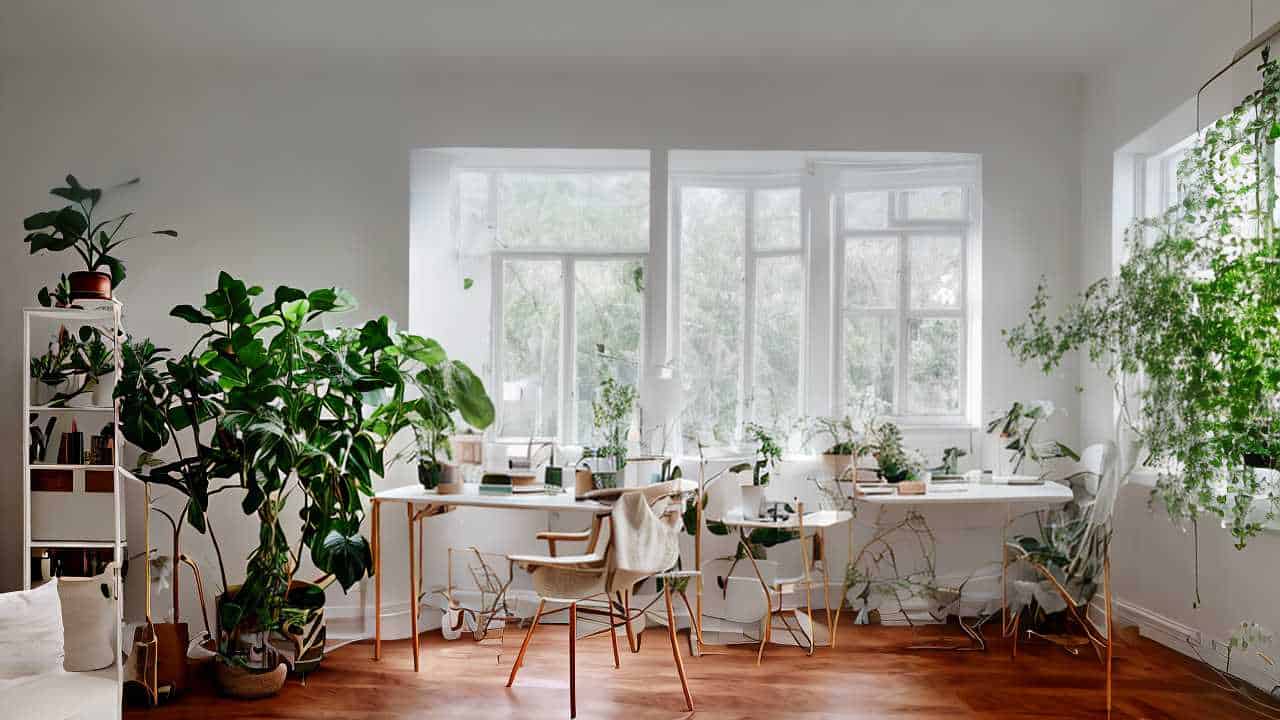
Your productivity can get a big boost when you have a personal space that’s designed to minimize distractions and help you focus. Research shows that keeping your workspace tidy and organized can actually help your brain work better and reduce stress. When you set up your environment to fit your needs, it’s easier to get into a state of flow where you can concentrate and get things done efficiently.
The way you arrange your space is also crucial. For example, placing your desk so it faces a wall instead of an open area can help cut down on visual distractions. Studies have shown that this setup can increase your performance on tasks by about 15%. Additionally, adding personal touches to your workspace, like photos or favorite items, can make you feel more comfortable and in control, which can also help you be more productive.
Lighting is another key factor. Good natural light and well-placed artificial lights can reduce eye strain and keep you alert. Research from the University of North Carolina found that proper lighting can improve productivity by up to 18%.
Green Spaces and Mental Health

Nature’s impact on mental health is significant. Many studies highlight that access to green spaces can greatly reduce stress and enhance overall well-being. When you spend time outdoors, both your body and mind benefit in the following ways:
- Reduced Stress: Spending time in green areas helps lower cortisol levels, the hormone linked to stress. For example, just taking a short walk in a park can noticeably calm you down.
- Improved Mood: Being in nature can lift your spirits and improve emotional health. Research shows that people who spend more time in natural settings feel happier and more satisfied with life.
- Better Cognitive Function: Nature can boost brain functions like attention and memory. Natural environments offer a peaceful setting that helps restore your mental energy.
- Encourages Physical Activity: Green spaces make it easier to engage in physical activities like walking, jogging, and playing sports, which are great for mental health. Regular exercise is known to reduce symptoms of depression and anxiety.
Incorporating more time in nature into your routine can be a simple yet powerful way to enhance your mental health. Whether it’s a daily walk in the park or a weekend hike, the benefits are clear and substantial.
Frequently Asked Questions
How Does Noise Pollution Affect Motivation Levels?
Noise pollution can really dampen your motivation. Research shows that constant noise can make you feel mentally tired, struggle to focus, and get less done. Think about it—if you’re trying to work on a project but there’s nonstop noise in the background, it’s tough to stay on task. By cutting down on noise, you can keep your motivation high, think more clearly, and get better results in your work.
For instance, using noise-cancelling headphones can be a game-changer. They help block out distracting sounds, allowing you to concentrate better. Additionally, setting up a quiet workspace or using white noise machines can create a more conducive environment for productivity. These changes might seem small, but they can make a big difference in how motivated and effective you feel throughout the day.
What Role Does Lighting Play in Enhancing Motivation?
Lighting plays a big role in how motivated you feel. Studies have shown that having enough natural light can lift your mood and make you more productive. On the flip side, poor lighting can make you feel tired and stressed. By making sure your space has good lighting, you can really boost your motivation. For instance, try setting up your desk near a window to get more daylight. If that’s not possible, consider using a daylight lamp like the Verilux HappyLight, which mimics natural sunlight and can help improve your overall mood and energy levels.
Can Climate and Weather Patterns Influence Our Drive to Achieve Goals?
Yes, climate and weather patterns can impact your drive to achieve goals. Research indicates that moderate temperatures and sunny conditions often enhance mood and productivity. In contrast, extreme weather can reduce motivation and efficiency. For instance, on a bright sunny day, you might feel more energized and willing to tackle tasks, whereas a stormy day could make you want to stay indoors and avoid work. This is important because understanding how weather affects you can help you plan your activities around times when you are likely to be more productive.
How Do Overcrowded Spaces Impact Individual Motivation?
Overcrowded spaces can really sap your motivation. When you’re crammed into a busy area, your stress levels go up, making it harder to concentrate. Research has shown that being in a high-density environment can lower your productivity and increase your chances of burning out. Imagine trying to work in a noisy, crowded coffee shop; it’s tough to focus, right? This is why finding a calm, spacious place to work or study is so crucial. It helps keep your stress in check and boosts your ability to stay on task.
Are There Specific Colors That Can Boost Motivation?
Research indicates that incorporating the color blue into your workspace can boost productivity by up to 20%. Blue is known for its calming effects, which can help reduce stress and enhance focus. By creating a more relaxed and focused environment, you may find it easier to stay motivated and get more done. For instance, you could add blue accents through office supplies, wall paint, or even a desk chair to create a more productive space.